
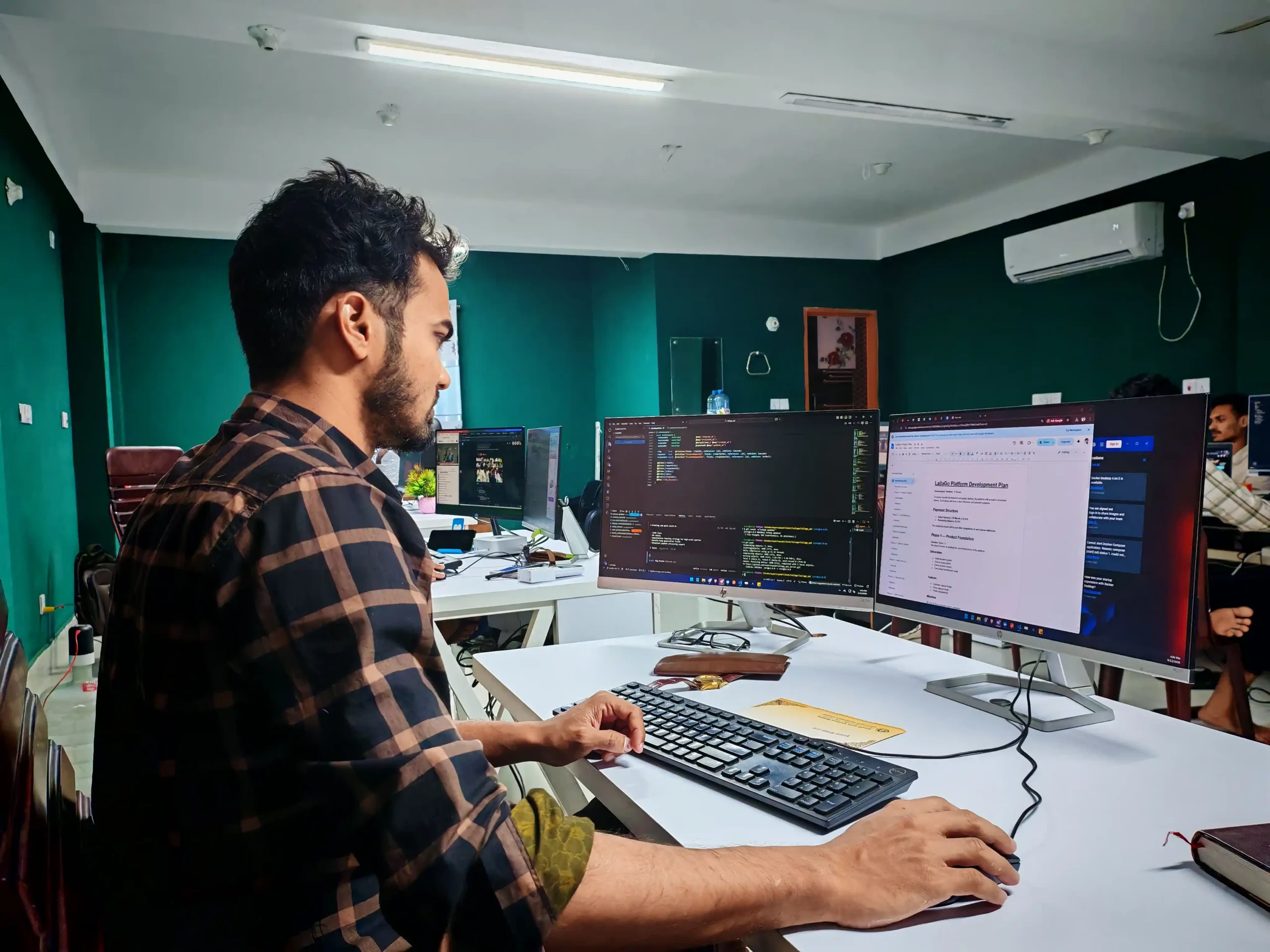
Remodeling companies in Downtown Toledo that aren’t optimized for generative AI search are already losing jobs to competitors who are. GEO — Generative Engine Optimization — is the discipline of making your business the answer AI tools like ChatGPT, Google’s AI Overviews, and Perplexity surface when homeowners and property managers ask renovation questions. If your company isn’t working with geo experts Toledo remodelers trust, your best prospects are getting recommendations that never include your name.
Toledo’s renovation market is competitive and hyper-local. A kitchen remodeler in the Old West End competes differently than one servicing the warehouse loft conversions cropping up near the Warehouse District. Homeowners, landlords, and commercial property owners in Lucas County are increasingly turning to AI-powered search before they ever call a contractor — which means the rules for getting found have fundamentally changed. This article breaks down exactly why GEO expertise is no longer optional for remodeling businesses in this market.
What Is GEO and Why Does It Matter for Toledo Remodelers Right Now?
Generative Engine Optimization is the practice of structuring your digital content — your website, your reviews, your citations, your service pages — so that AI-driven search tools can confidently surface your business as a credible answer. It’s distinct from traditional SEO, which focuses on ranking in blue-link results. GEO focuses on being cited inside AI-generated responses.
Why does this matter urgently in Toledo? According to Google Search Central’s guidance on AI Overviews, Google is increasingly using structured, authoritative content to generate direct answers at the top of the search results page — before a user ever scrolls to organic listings. For a homeowner in Ottawa Hills or Maumee searching “best bathroom remodeler near Downtown Toledo,” the AI Overview is the first thing they read. If your business isn’t cited there, you’re invisible at the most critical moment in the buyer’s journey.
Toledo’s Remodeling Market Has a Discovery Problem
Toledo has seen steady investment in its urban core. The renovation activity around the Warehouse District, the historic Victorians in the Old West End, and the mixed-use developments near Fifth Third Field means demand for skilled remodelers is real and consistent. But demand doesn’t automatically translate into phone calls — not anymore.
The discovery gap is widening. Homeowners are skipping Google’s traditional results and asking AI assistants: “Who does historic window restoration in Downtown Toledo?” or “Which remodeling company in Toledo handles commercial kitchen renovations?” These queries pull answers from the web’s most structured, most-cited, most-trusted sources. Remodelers who have poorly organized websites, thin service pages, or inconsistent business listings get passed over entirely — even if they do excellent work.
This is the core pain: your reputation might be strong on your street, but if your digital footprint isn’t built for how AI reads the web, you’re effectively invisible to a growing share of your best potential clients.
Why Generic Digital Marketing Agencies Miss the Mark for Downtown Toledo Contractors
A generalist agency can run a Facebook ad. Fewer can execute a GEO strategy tailored to a specific niche in a specific market. Downtown Toledo remodelers have unique challenges that require local knowledge woven into the optimization work:
– Toledo’s older housing stock — particularly in neighborhoods like the Vistula Historic District and the South End — means remodelers often work on projects governed by Lucas County historic preservation guidelines. Your content needs to reflect that expertise explicitly so AI systems recognize you as a niche authority.
– Ohio winters significantly affect project timelines, and seasonal content that addresses this reality (interior renovation pushes in November through March, exterior work peaking in late spring) signals local relevance to AI engines evaluating your credibility.
– The proximity to Michigan — with Perrysburg, Maumee, and Sylvania all in your service radius — means your GEO footprint needs to span a realistic service area without diluting your Downtown Toledo authority signal.
Generic agencies don’t think in these terms. They copy-paste city names. Real geo experts Toledo contractors need are ones who understand the actual market and build content architecture around it.
How GEO Experts Structure Your Digital Presence to Win AI Citations
GEO work is methodical. It’s not about writing a blog post and hoping for the best. Here’s what a real GEO engagement looks like for a remodeling company in the Toledo metro:
Structured Service Pages with Genuine Local Depth
Each service — kitchen remodeling, bathroom renovation, basement finishing, commercial build-outs — gets its own page written with specific local context. That means mentioning real Toledo-area material suppliers, referencing the types of homes common in each neighborhood, and addressing questions Toledo homeowners actually ask. AI engines evaluate depth and specificity; thin pages don’t get cited.
Consistent Entity Signals Across the Web
Your business name, address, phone number, and service descriptions need to be consistent across your Google Business Profile, your website, industry directories like Houzz and Angi, and local Toledo-area directories. Inconsistency confuses AI systems that are trying to verify whether your business is a real, trustworthy entity.
FAQ and Schema Markup That AI Can Parse
Well-structured FAQ sections — formatted with proper schema markup — are among the most frequently cited content types in AI Overviews. For a remodeler in Toledo, this means building Q&A content around real questions: permit requirements through the City of Toledo Division of Building Inspection, timelines for historic renovation approvals, average project durations by season. This content is what gets pulled into AI-generated answers.
A Real-World Example from the Toledo Market
One remodeling contractor in the Toledo area — specializing in historic home restoration — came to a GEO-focused agency after spending months doing paid ads with mediocre results. Their website had strong photography but almost no written content explaining their process, their service area, or their expertise with older homes. After a structured GEO engagement — rebuilding their service pages with local depth, adding schema markup, and cleaning up their citation profile — they went from being absent in AI-generated local results to being cited as a recommended contractor in several common renovation queries for their area. The phone started ringing from clients who found them through AI search rather than paid ads, and their cost per lead dropped noticeably within a quarter.
The Nearby Market Threat Is Real
Toledo remodelers don’t just compete with each other. Contractors from Perrysburg, Maumee, Sylvania, and even across the Michigan state line in Monroe are expanding their service areas and investing in digital visibility. If a Perrysburg remodeler has a better-structured GEO footprint than you do, AI tools may recommend them for a job in Downtown Toledo — a job that should have been yours.
This isn’t hypothetical. AI search tools prioritize the most credible, best-organized digital presence — not the closest business. That means your geographic advantage disappears if your content infrastructure is weaker than a competitor’s, regardless of where they’re based.
What to Look for When Hiring GEO Experts in Toledo
Not every agency claiming GEO expertise actually has it. When evaluating partners, Toledo remodelers should ask sharp questions:
– Can they show you exactly how they’ll improve your visibility in AI Overviews specifically — not just organic rankings?
– Do they understand the specific remodeling sub-niches relevant to Toledo’s housing stock and commercial corridors?
– Can they audit your current citation profile and entity signals, not just your on-page SEO?
– Will they produce content with genuine local specificity, or will they write generic copy that could apply to any city?
The answers to those questions will separate actual geo experts from agencies that have added “GEO” to their service list without changing their approach.
Frequently Asked Questions: GEO for Toledo Remodeling Companies
What exactly is GEO and how is it different from SEO?
SEO focuses on ranking your website in traditional blue-link search results. GEO — Generative Engine Optimization — focuses on getting your business cited inside AI-generated answers from tools like Google’s AI Overviews, ChatGPT, and Perplexity. Both matter, but GEO specifically targets the AI-driven discovery layer that’s growing fastest among local buyers.
Why do remodeling companies in Downtown Toledo specifically need GEO?
Toledo’s renovation market includes a mix of historic homes, urban loft conversions, and commercial properties — each with distinct buyer behavior. Homeowners and property managers in this market are increasingly using AI search to find contractors. Without a GEO strategy, even well-established Toledo remodelers can be invisible at the moment a potential client is ready to hire.
How long does it take to see results from a GEO strategy?
GEO results vary by how much work needs to be done on your existing digital presence. For most remodeling companies in Toledo, meaningful improvements in AI citation visibility begin showing up within two to four months of consistent, structured GEO work — though some quick wins from citation cleanup and schema markup can appear sooner.
Do I need GEO if I already run Google Ads?
Yes. Google Ads capture intent at the moment someone clicks a paid result. GEO captures intent at an even earlier stage — when AI tools are forming a recommendation before a user has decided what to search next. The two strategies are complementary, not interchangeable. Remodelers who invest in both tend to see the strongest overall lead volume.
What local Toledo factors should my GEO content address?
Your GEO content should reference Toledo-specific details: the types of homes in neighborhoods like the Old West End and Vistula Historic District, Lucas County permit and inspection requirements through the City of Toledo Division of Building Inspection, Ohio’s seasonal construction patterns, and your realistic service area covering nearby cities like Perrysburg, Maumee, and Sylvania.
Can a small remodeling company in Toledo afford GEO services?
GEO services are scalable. A focused engagement — covering your top service pages, citation cleanup, and FAQ schema — can deliver strong results without an enterprise-level budget. The more relevant question is whether you can afford to ignore GEO while competitors in your market build visibility that you can’t easily recover from.
Ready to Get Your Toledo Remodeling Business Found in AI Search?
If your phone isn’t ringing the way it should, the problem isn’t your work — it’s your visibility. AI search is reshaping how homeowners and property managers in Downtown Toledo find contractors, and the window to build a strong GEO presence before your competitors do is narrowing. Working with a team that genuinely understands both the GEO discipline and the Toledo market makes the difference between being recommended and being overlooked.
Peachy Marketing helps remodeling companies across Toledo and the Lucas County area build the kind of structured digital presence that AI tools trust and cite. From service page architecture to citation cleanup to FAQ schema — our team handles the full GEO stack so you can focus on running your business. Explore our GEO and AEO optimization services, learn how we support local SEO for Ohio contractors, or see how our core SEO services complement a GEO strategy. You can also review how we’ve helped businesses in markets across Ohio and in neighboring areas like southeast Michigan build lasting search visibility. Request your free Toledo GEO audit today — no pressure, no jargon, just a clear picture of where you stand and what it takes to get found.
Call Us Now: 602-490-3252
Website: peachymarketers.com
Written by Maya Brooks, Local SEO & GEO Strategy Lead