
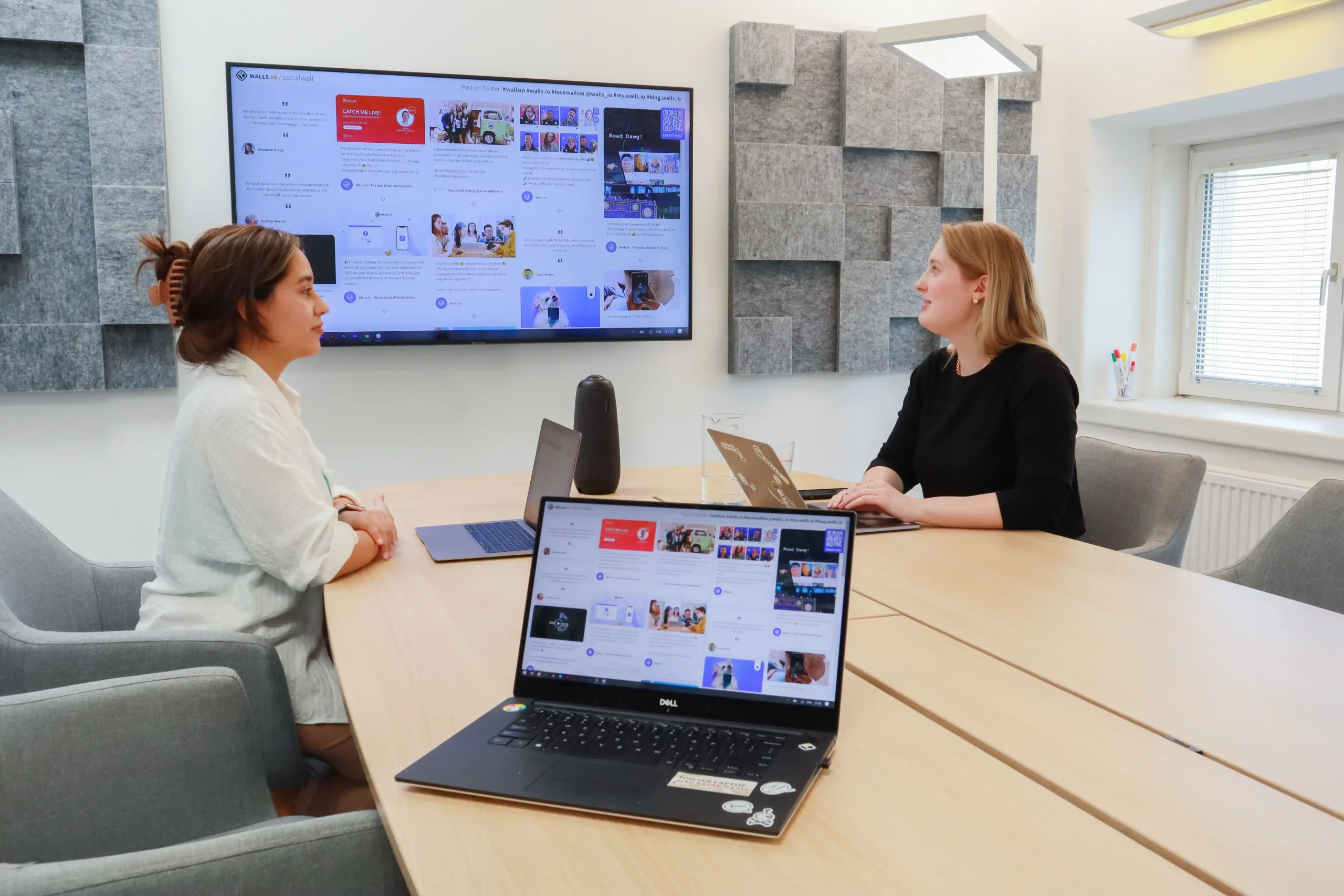
Law firms along the Manheim Pike Corridor are being passed over by AI-generated search results — not because they lack the credentials, but because their websites aren’t structured the way generative engines read them. GEO, or Generative Engine Optimization, is the practice of making your firm’s content citable, credible, and surfaceable inside AI-driven answers from tools like Google’s AI Overviews, ChatGPT, and Bing Copilot. If your Lancaster practice isn’t optimized for how AI answers legal questions, you’re handing those cases to competitors who are.
The Manheim Pike Corridor — stretching from Lancaster City through Manheim Township into Lititz — is one of the most commercially active corridors in Lancaster County. It’s dense with small businesses, medical offices, and yes, competing law firms. When a prospective client in Rohrerstown or the East Petersburg area opens their phone and asks an AI assistant “who’s the best personal injury lawyer near me,” the answer they receive is shaped by GEO, not traditional SEO alone. This is where geo Lancaster Pennsylvania strategy starts to matter more than another round of keyword stuffing.
Get a free Lancaster GEO audit →
What Is GEO and Why Does It Matter for Lancaster Law Firms?
Generative Engine Optimization is the process of structuring your website content so that AI models — not just traditional search crawlers — can extract, trust, and cite your firm as an authoritative source. Where classic SEO targets the ten blue links, GEO targets the summarized answer box that appears before a user ever scrolls to those links.
For law firms, this distinction is critical. When someone in Lancaster County searches for help with a DUI charge, a workers’ comp claim, or a real estate dispute, AI Overviews increasingly serve a synthesized answer at the top of the page. Firms whose content is well-structured, authoritative, and locally specific are the ones cited in those answers. Firms whose sites are thin, jargon-heavy, or formatted for humans rather than language models get nothing.
Learn how Peachy Marketing’s AEO and GEO optimization service works to make your firm the source AI engines cite first.
The Manheim Pike Corridor Is a Competitive Legal Market — Here’s the Reality
Lancaster isn’t a small rural town anymore. The Route 30 and Manheim Pike intersection area has seen significant commercial growth over the past decade. Manheim Township alone added thousands of residents through developments in Neffsville and surrounding neighborhoods, and that population growth brought with it demand for estate planning, family law, and business formation services.
At the same time, larger regional firms from York and Reading have expanded their digital footprints into Lancaster County, and national legal marketing platforms are aggressively bidding on every keyword tied to your practice area. A solo practitioner or small firm sitting on Route 72 near the Lancaster Science Factory can’t outspend a regional firm on Google Ads indefinitely. GEO levels the playing field because it’s about earning authority, not buying placement.
Seasonal dynamics matter here too. Lancaster County sees an uptick in estate planning inquiries in late fall, a spike in DUI-related searches around the summer festival season, and a steady stream of landlord-tenant disputes tied to the student population around Franklin & Marshall College. GEO-optimized content that speaks directly to these local patterns gets surfaced by AI when those searches happen.
How AI Search Actually Surfaces Lancaster Legal Answers
AI engines don’t rank pages — they read them. Google’s language models, along with those powering ChatGPT plugins and Perplexity, are trained to identify content that is factual, well-organized, and demonstrates expertise on a specific topic. That means your firm’s “Practice Areas” page written in 2017 with 200 words of vague copy is invisible to these systems.
What gets cited instead is content that directly answers questions people ask. “What are my rights after a car accident in Pennsylvania?” “How long does probate take in Lancaster County?” “Can I fight a non-compete agreement in Pennsylvania?” When your site has a dedicated, well-written page for each of those questions — with clear answers, relevant citations, and proper schema markup — you become the source AI models pull from.
This is exactly what Peachy Marketing builds for law firms: a content architecture that makes your expertise machine-readable, locally grounded, and genuinely useful to the people searching for you along the Manheim Pike Corridor.
GEO vs. SEO: What Lancaster Attorneys Actually Need
Traditional SEO still matters. You need your Google Business Profile optimized, your NAP consistent across directories, and your site technically healthy. But GEO works at a layer above all of that. It’s the difference between your firm appearing somewhere on page one versus your firm being the answer to a legal question before the user ever sees page one.
What GEO adds that SEO alone can’t deliver
– Structured Q&A content that AI models can extract and cite directly
– Schema markup (FAQ, LegalService, Attorney) that signals your firm’s credibility to language models
– Entity optimization that ties your firm’s name to specific practice areas and Lancaster County geography in AI training contexts
– Authoritative supporting content that builds topical depth, not just keyword density
The Google Search Central documentation on AI Overviews makes clear that content quality and clear information architecture are the primary signals used to populate these results. For Lancaster law firms, that means investing in content strategy now — before every competitor on Manheim Pike does.
A Real-World Example from the Lancaster Market
A family law practice in Manheim Township came to us ranking on page three for their core services in Lancaster and barely showing up in AI-generated answers at all. Their site had decent SEO bones but zero GEO structure — no FAQ content, no schema, no locally specific practice-area pages that spoke to Lancaster County family court procedures. After rebuilding their content architecture with GEO principles, the firm moved into the local map pack for multiple core terms and began appearing as a cited source inside AI Overviews for questions about custody and divorce in Lancaster. Their phone started ringing from clients who said they “found them through a search summary” — a direct signal of generative engine visibility.
Which Practice Areas Benefit Most from GEO in Lancaster?
Nearly every practice area benefits, but some are particularly well-suited to the way AI search handles legal questions in Lancaster County.
Personal Injury
Route 30 and the Route 222 interchange near Lancaster City see consistent traffic incidents. AI searches around accident-related legal questions are frequent, and a well-optimized FAQ page targeting Pennsylvania personal injury law can surface your firm as the cited answer.
Estate Planning and Probate
With Lancaster County’s older demographic and a significant agricultural community around Lititz and Ephrata, estate planning searches are consistent year-round. AI models readily surface specific answers about Pennsylvania probate timelines and trust structures.
Criminal Defense
Lancaster City and Manheim Township both generate substantial DUI and summary offense searches. Locally specific content about Lancaster County Court of Common Pleas procedures and Pennsylvania DUI law gives AI systems exactly the kind of jurisdictional specificity they prefer to cite.
Business and Real Estate Law
The commercial corridor from Lancaster City into Lititz is growing fast. Business formation, lease disputes, and commercial real estate transactions are active practice areas where GEO-structured content stands out against generic national legal sites.
Explore how local SEO for Lancaster law firms pairs with GEO to build a complete search presence across both traditional and AI-driven results.
Frequently Asked Questions About GEO for Lancaster Law Firms
What exactly is GEO and how is it different from SEO?
GEO stands for Generative Engine Optimization. Where SEO focuses on ranking in the ten blue links of a traditional search results page, GEO focuses on making your content citable by AI systems like Google’s AI Overviews, ChatGPT, and Perplexity. For law firms in Lancaster, this means structuring content so AI models extract and present your answers when users ask legal questions.
Do Lancaster law firms really need GEO right now?
Yes. AI-generated answers are already appearing at the top of Google results for most legal queries in Pennsylvania. Law firms that optimize for GEO now will establish authority before the competition catches on. Waiting until the market is saturated means starting from behind.
How long does it take to see results from GEO on the Manheim Pike Corridor?
GEO results typically begin to appear within two to four months, depending on how much content restructuring is required. Firms with existing websites that need schema markup and FAQ content added often see AI citation appearances faster than firms starting from scratch. Local specificity — mentioning Lancaster County courts, Pennsylvania statutes, and regional geography — accelerates the process.
Does GEO replace our existing law firm website or SEO strategy?
No. GEO works alongside your existing SEO and website. It adds a layer of AI-readability on top of the technical and content foundation you already have. Think of it as making your current assets speak to a new audience: the AI engines delivering answers to your potential clients before they even visit a website.
What Lancaster County-specific elements should our GEO content include?
Your content should reference Lancaster County Court of Common Pleas, Pennsylvania-specific statutes, and the geographic areas your firm serves — including Manheim Township, Lancaster City, Lititz, Ephrata, and nearby communities like Elizabethtown and Columbia. The more precisely your content maps to a user’s local legal context, the more likely AI systems are to cite it.
Can Peachy Marketing handle GEO for a small solo practice, not just large firms?
Absolutely. GEO is particularly valuable for solo practitioners and small firms because it levels the playing field against larger, better-funded competitors. A well-structured, authoritative site from a Manheim Pike solo practitioner can outperform a generic regional firm’s page inside AI Overviews when the content is genuinely specific and well-organized.
The Time to Act Is Before Your Competitors Do
Most law firms along the Manheim Pike Corridor are still optimizing for 2020-era SEO. They’re chasing keyword density and backlinks while AI search is already reshaping how clients in Lancaster, Lititz, Elizabethtown, and Columbia find legal help. The window to establish GEO authority before the local market catches up is open right now — but it won’t stay open long.
Peachy Marketing works with law firms across Pennsylvania and nationwide to build content strategies that earn citations inside AI-driven search results. If your firm is on the Manheim Pike Corridor and your phone isn’t ringing the way it should be, a GEO audit will show you exactly why — and exactly what to fix.
Get a free Lancaster GEO audit →
Request your free Lancaster GEO audit today and find out where your firm stands inside AI search — and what it would take to become the cited answer for your most valuable practice areas in Lancaster County.
Call Us Now: 602-490-3252
Website: peachymarketers.com
Written by Jordan Ellis, GEO & AEO Strategy Lead